When roof rats, squirrels, or raccoons breach Dallas homes along the wooded tracts of Lake Highlands or near the older tree canopies of Lakewood and Kessler Park, the attic space ceases to be a passive thermal barrier…
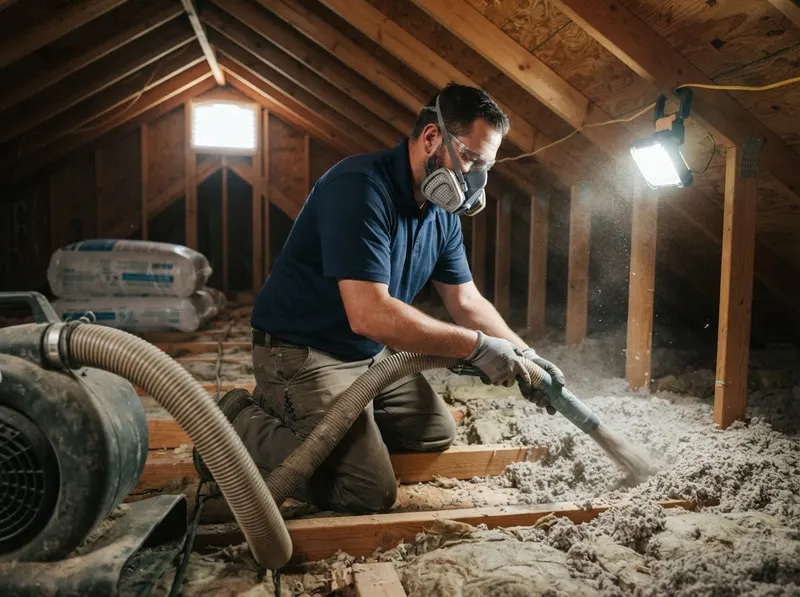
When roof rats, squirrels, or raccoons breach Dallas homes along the wooded tracts of Lake Highlands or near the older tree canopies of Lakewood and Kessler Park, the attic space ceases to be a passive thermal barrier and turns into a biological hazard zone. Rodents leave behind pheromone trails, urine deposits, and fecal droppings that permeate standard fiberglass batt and loose-fill cellulose materials. This organic contamination degrades thermal resistance (R-value) and continuously filters airborne pathogens into the living spaces through ceiling penetrations and recessed light fixtures. Routine spot-cleaning fails to remediate pheromone scent signatures that attract secondary colonies; complete remediation mandates structural stripping, antimicrobial fogging, and re-insulation.
The process begins with localized containment. Technicians run heavy-duty negative-air collection hoses directly from the attic out to exterior collection tanks, preventing biological particulates from migrating into interior living areas. Blown-in fiberglass or blown cellulose is evacuated down to the bare ceiling drywall. Structural floor joists and roof decking in Preston Hollow and North Dallas residences undergo broad-spectrum enzyme treatments to neutralize leptospirosis, salmonella, and hantavirus risks. Air sealing closes every mechanical chase, top-plate junction, and plumbing stack with expanding polyurethane foam before fresh insulation is installed.
Thermal performance restoration adheres strictly to the International Energy Conservation Code (IECC) for Dallas County (Climate Zone 3), bringing depleted attics up to an R-38 standard (approximately 12 to 14 inches of depth depending on fill type). If a property has experienced localized rodent traffic isolated to a 10-foot utility line run, targeted mechanical patching and spot sanitation is an appropriate alternative to a total overhaul; however, when fecal distribution exceeds 20% of the insulation footprint or animal urine has saturated ceiling drywall, comprehensive restoration is necessary to permanently seal off scent attractants and eliminate recurring structural chew hazards.
Every job gets a firm, written price after a free on-site visit.
Tell us about your attic sanitation and insulation restoration job in Dallas and we'll send a clear, written quote, usually the same day.
 Black Anchor Pest Control